Introduction: Ethiopian korarima benefits have been treasured in East African communities for centuries, yet this extraordinary spice remains one of Africa’s best kept secrets. Known scientifically as Aframomum corrorima, Ethiopian korarima is often called the Ethiopian cardamom and is one of the most prized spices in East African cuisine and traditional medicine. Despite its incredible flavor and health properties, korarima is virtually unknown outside Ethiopia and the surrounding region.

What Is Ethiopian Korarima? Ethiopian korarima is a flowering plant in the ginger family native to the highlands of Ethiopia and surrounding East African countries. The plant produces large aromatic seeds enclosed in pods that are used as a spice. The flavor is similar to cardamom but with a more complex earthy and slightly smoky taste. Both the seeds and leaves of the korarima plant are used in cooking and traditional medicine across Ethiopia, Eritrea and South Sudan.
Health Benefits of Ethiopian Korarima
- Powerful digestive aid that relieves bloating and stomach pain
- Used traditionally to treat respiratory conditions and coughs
- Rich in antioxidants that fight inflammation and disease
- Supports healthy blood pressure and heart health
- Used as a natural breath freshener
- Antibacterial and antimicrobial properties
- Supports healthy metabolism and weight management
- Used traditionally to treat headaches and body pain
- Boosts immunity and overall body strength
- Used in traditional medicine to treat infections
How Is Ethiopian Korarima Used?
- Ground seeds used as a spice in Ethiopian coffee ceremonies
- Added to traditional Ethiopian stews and sauces
- Used to flavor berbere and other Ethiopian spice blends
- Brewed as herbal tea for digestive and respiratory relief
- Added to meat dishes for flavor and preservation
- Used in traditional medicine as a digestive remedy
- Seeds chewed fresh as a natural breath freshener
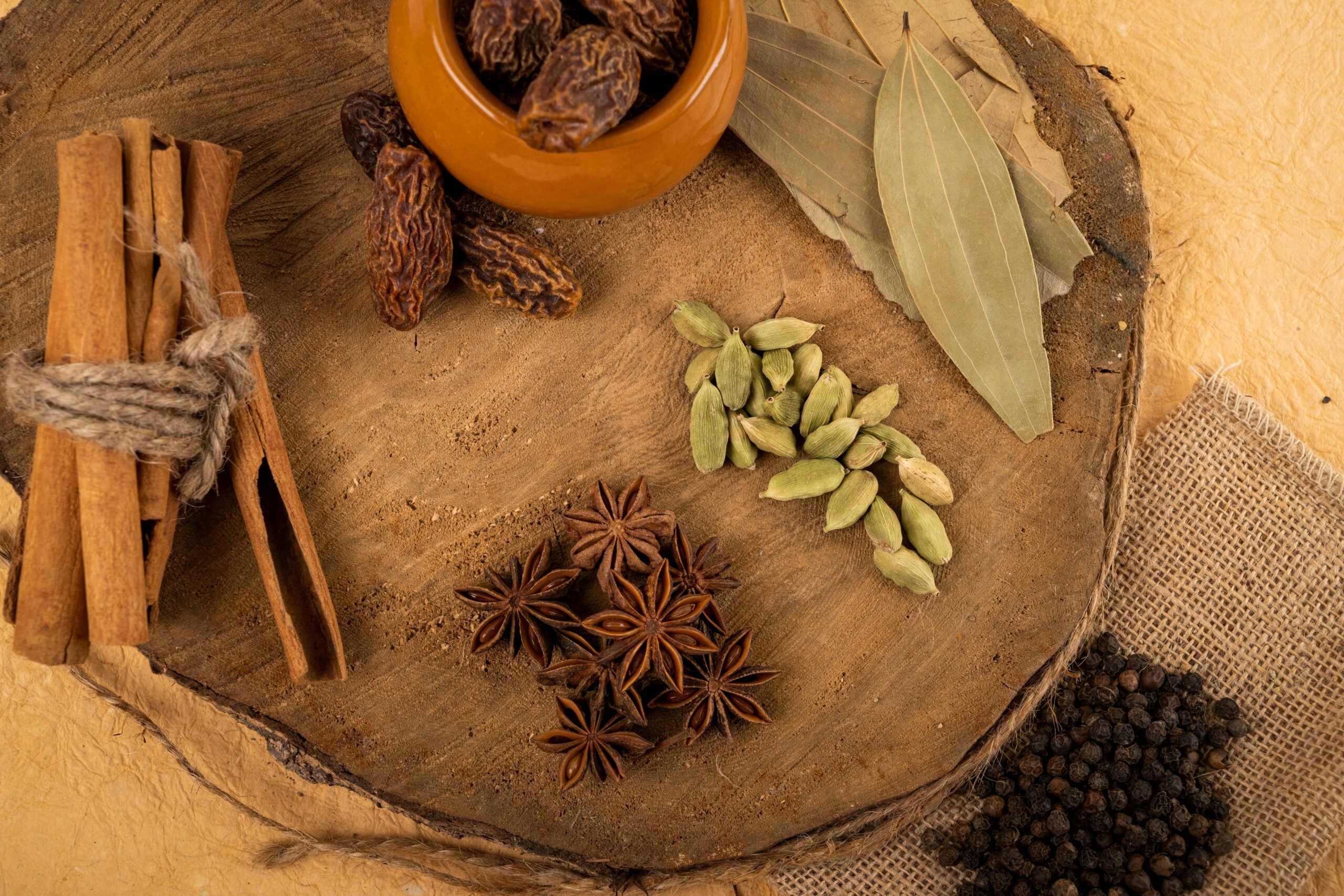
Where Does Korarima Grow? Korarima grows naturally in the highland forests of Ethiopia particularly in the southwestern regions of Kaffa and Bench Maji. It also grows in parts of Eritrea, South Sudan and Uganda. The plant thrives in cool moist highland climates and is one of Ethiopia’s most important indigenous spice crops. Ethiopia is the world’s primary producer and exporter of korarima.
Korarima in Ethiopian Culture Korarima holds a special place in Ethiopian culture and cuisine. It is a key ingredient in the Ethiopian coffee ceremony where it is added to coffee for flavor and digestive benefits. It is also used in preparing traditional dishes like Doro Wat and Kitfo. In Ethiopian traditional medicine korarima has been used for generations to treat a wide range of ailments from digestive problems to respiratory conditions.
Why Is Korarima Underserved? While cardamom from India and Southeast Asia dominates global spice markets, Ethiopian korarima — which has a richer and more complex flavor — remains largely unknown outside East Africa. This is a missed opportunity for both consumers and African farmers who grow this incredible spice. West Fruits Hub is committed to changing this by bringing Ethiopian korarima and other underserved African herbs to the global audience they deserve.
Conclusion: Ethiopian korarima is a remarkable spice that combines incredible flavor with powerful health benefits. From the Ethiopian coffee ceremony to traditional medicine, this extraordinary plant has enriched East African life for centuries. It is time the world discovered the incredible korarima and the rich tradition of African herbs and spices it represents.